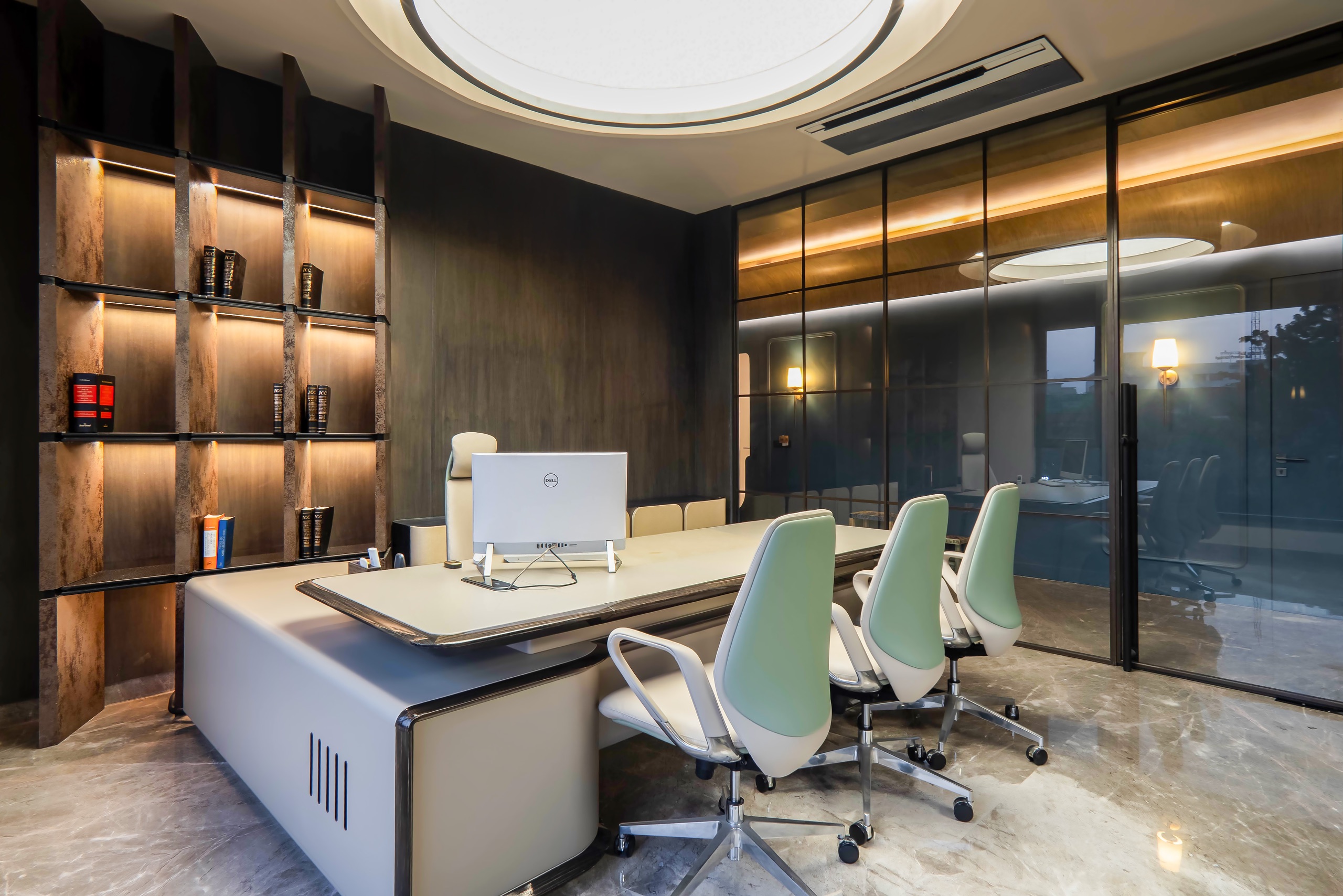
01A full-service design and build atelier offers more than convenience. It creates continuity. Instead of dividing a project among disconnected consultants, vendors and contractors, one creative direction guides decisions from the earliest brief to the final styling of the space. This integrated approach is especially valuable in complex residential and commercial projects, where hundreds of choices must support one another. The client gains a clear point of contact, while the design retains its integrity as it moves from an initial idea into drawings, procurement, construction and completion.
02The journey begins with discovery. The atelier studies the site, programme, lifestyle, aspirations, timeline and investment framework. Conversations identify how the space should feel as well as what it must contain. Existing conditions, approvals and technical constraints are reviewed early so that ambition is grounded in reality. This stage establishes priorities and reveals the central idea that will give the project its identity. A thoughtful brief is not a fixed checklist; it is a shared understanding that helps the team make consistent decisions throughout the project.
03Concept design translates the brief into spatial direction. Plans, volumes, circulation, mood, material references and key experiences are explored together. The aim is not to decorate a predetermined shell, but to shape architecture and interiors around the way the space will be lived in. Several possibilities may be tested before the strongest is developed. At this stage, the client sees the project’s character emerge and can respond to meaningful choices before time is invested in detailed resolution.
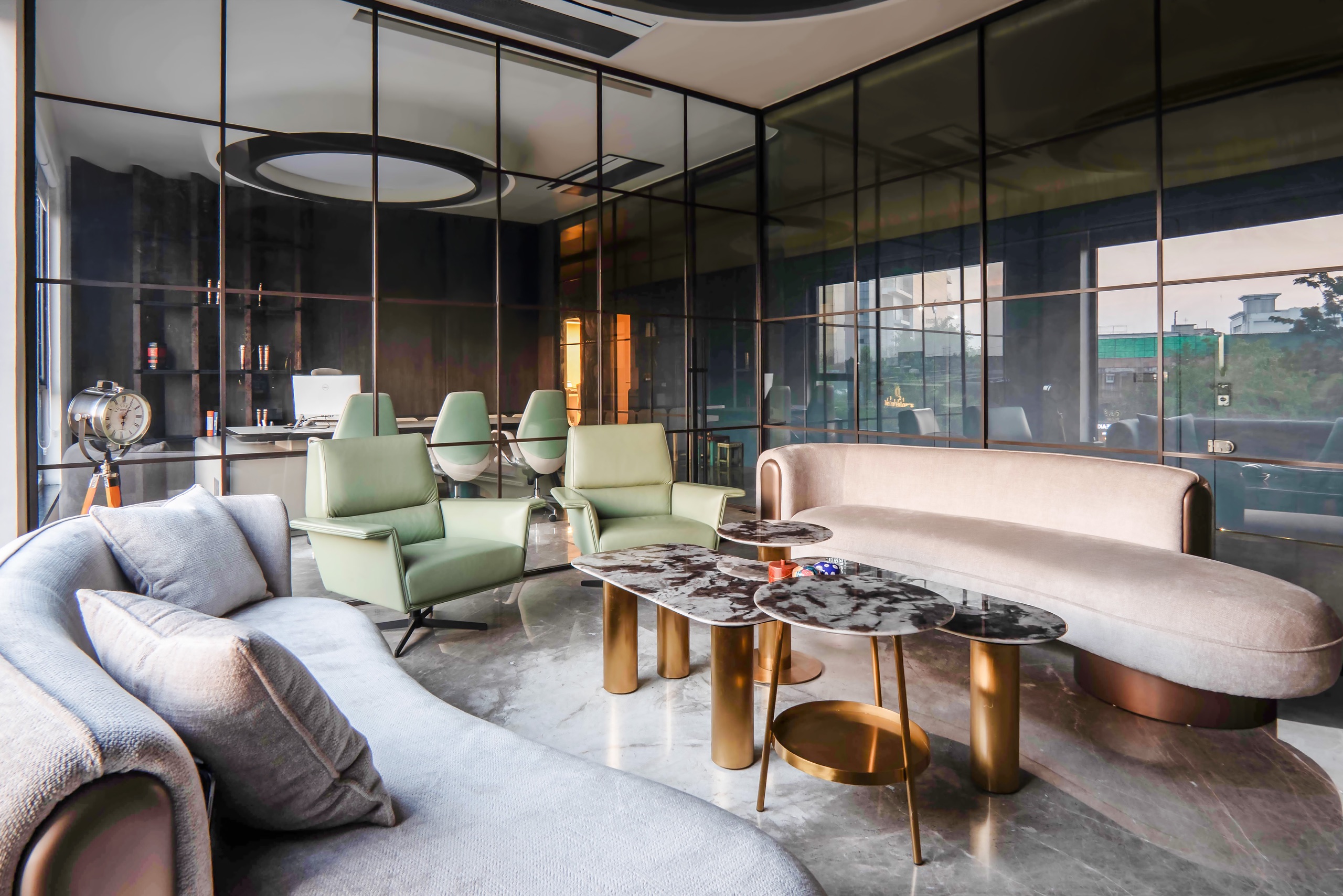
04As design develops, creative and technical thinking proceed together. Detailed drawings coordinate architecture, interiors, lighting, services, furniture, joinery and bespoke elements. Real dimensions replace assumptions. Equipment, access panels, air-conditioning, electrical points and plumbing are integrated so they support rather than interrupt the design. Samples and mock-ups allow important materials and junctions to be tested. Clear documentation gives craftspeople and site teams the information required to price, programme and realise the work accurately.
05Budget and procurement are treated as design responsibilities, not administrative afterthoughts. Selections are evaluated for value, lead time, durability and availability as well as appearance. The team can identify where custom work creates genuine impact and where a simpler solution is more intelligent. Orders are coordinated with the construction sequence, reducing the risk of late substitutions or idle site time. Transparent decisions allow the client to understand priorities and approve changes without losing sight of the overall vision.
06During construction, the atelier monitors quality, responds to site conditions and protects the intent as many hands become involved. Regular reviews address workmanship, alignment, colour, installation and coordination. Questions are resolved through one design language rather than isolated fixes. A full-service role does not remove the need for specialist expertise; it brings consultants, contractors and makers into a coherent process. The client is kept informed without being required to mediate every technical conversation personally.
07The final phase is more than handover. Furniture placement, lighting focus, artwork, accessories and last adjustments complete the atmosphere imagined at the start. Systems are checked, outstanding work is recorded, and the client is introduced to the practical operation and care of the space. The finished home or workplace feels resolved as one composition rather than assembled from separate packages. Even small details—how a curtain falls, where an object rests, how a room is lit for evening—contribute to the sense of completeness.
08At SJA, full service means accountability with a personal point of contact. It allows the client to participate in the decisions that define identity while avoiding the burden of coordinating every discipline alone. The atelier holds the big picture and the smallest junction in view at the same time. Most importantly, this model preserves the relationship between concept and reality. The atmosphere described in the first conversation remains the measure of success at the end, translated through planning, material, craft and careful delivery into a space that feels unmistakably whole.
09For a client, the experience should feel structured rather than overwhelming. There are defined stages, clear approvals and an understanding of what information is needed next. This does not eliminate every challenge—construction will always involve variables—but it creates a reliable way to address them. The atelier can evaluate a change for its effect on design, cost, programme and technical performance before recommending a path forward. Because knowledge is shared across the same team, fewer decisions lose their context between design and execution. The result is not only a better-resolved space; it is a more coherent journey towards it. Full service is ultimately the promise that care will continue through every stage, rather than ending when the drawings are issued. It gives the client continuity of thought, communication and responsibility. From the first plan to the final placement of art, each decision remains connected to the same purpose: creating a space that feels considered, personal and complete.