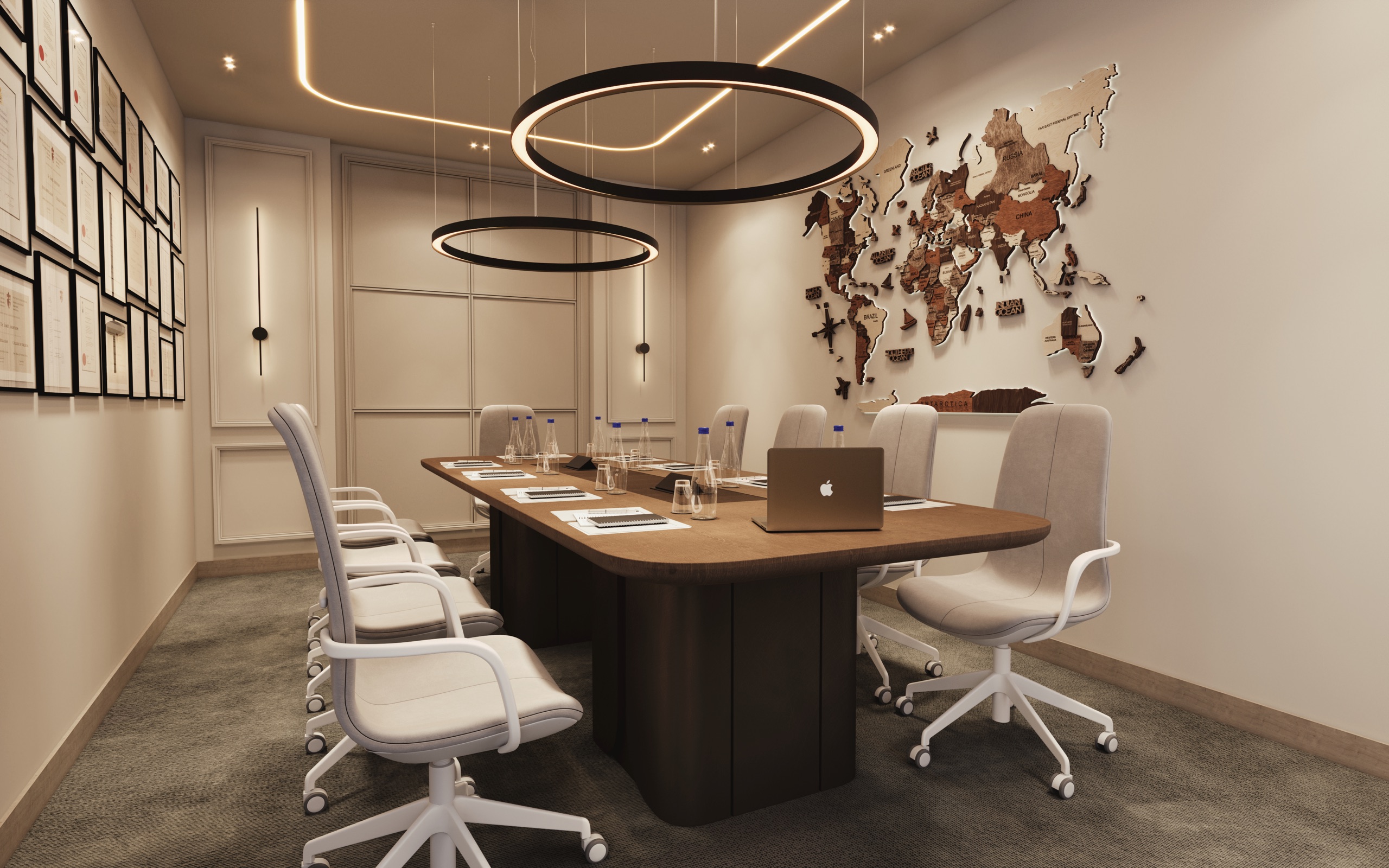
01Quiet luxury does not ask for attention; it rewards attention. Its character is discovered gradually—in the grain of timber, the weight of a handle, the shadow beneath a ledge, or the precise meeting of two materials. Rather than relying on obvious symbols of expense, it creates richness through quality, proportion and restraint. A quietly luxurious interior can feel simple at first glance, yet the longer one inhabits it, the more its depth becomes apparent. That sense of discovery is what gives the space presence without spectacle.
02The foundation is proportion. Calm rooms have a clear hierarchy: a dominant volume, supporting elements and enough visual pause for each gesture to register. Ceiling lines, openings, joinery and furniture are composed as one field rather than a collection of independent features. A generous wall may remain almost empty so that light and material can be appreciated. Furniture is selected for silhouette, comfort and relationship to the room, not quantity. When scale is correct, even a restrained space feels substantial and complete.
03Material palettes are edited, but not minimal for their own sake. Natural stone, timber, metal, plaster and textile each contribute a different sensory note. Repetition creates continuity, while subtle shifts in tone or finish distinguish one experience from another. Veining, grain and handmade variation prevent restraint from feeling sterile. The intention is not to remove richness, but to concentrate it. A few deeply considered materials, beautifully detailed, often create more atmosphere than many impressive surfaces competing for recognition.
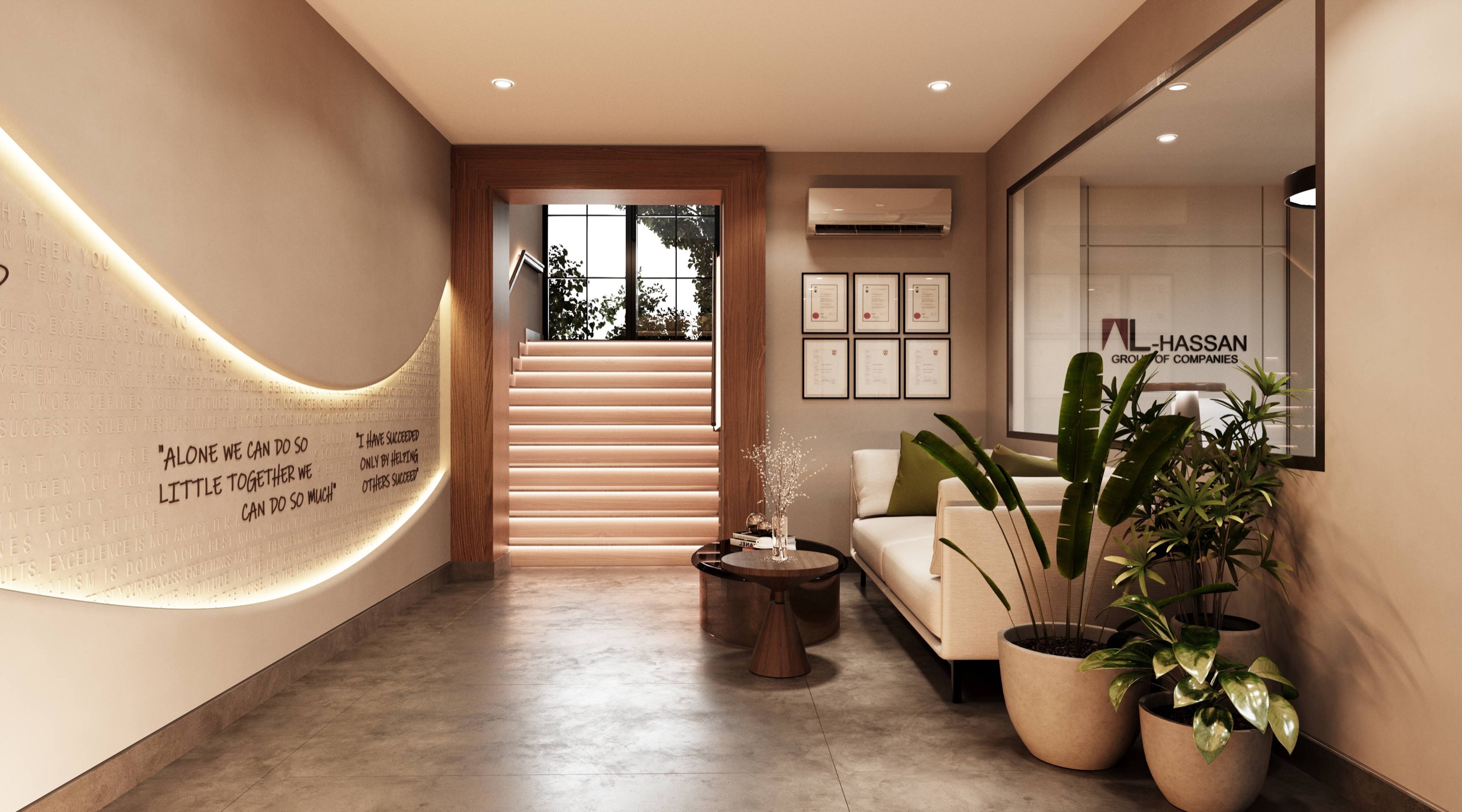
04Craft is most powerful when it supports the whole. A shadow gap can make a wall feel weightless; a carefully aligned grain can turn joinery into quiet architecture; a rounded stone edge changes how an object feels to the hand. These details require coordination and skilled execution, yet they should not appear as demonstrations of difficulty. Quiet luxury resists detail for detail’s sake. Every junction is resolved because precision creates calm, improves use and allows the inherent qualities of material to be understood.
05Light brings the palette to life. Daylight reveals texture, depth and natural variation as it moves through the day. Filtered light can soften a stone surface, while a narrow beam may give an artwork or object a moment of emphasis. At night, layered illumination creates intimacy without flattening the room. Concealed sources support architecture; task lighting makes daily rituals comfortable; selected decorative fixtures act almost like jewellery—few, deliberate and memorable. The best lighting is felt as atmosphere before it is noticed as equipment.
06Comfort is inseparable from refinement. A room cannot be luxurious if it is visually perfect but difficult to inhabit. Seating depth, acoustics, temperature, touch and ease of movement matter as much as appearance. Fabrics should invite use, not create worry. Controls should be intuitive. Storage should protect visual calm while keeping necessary things close at hand. This focus on comfort shifts luxury away from display and towards care: the sense that every aspect of living has been anticipated and made more pleasurable.
07Quiet luxury is also deeply personal. It makes space for an owner’s routines, art, books, inherited pieces and evolving collection instead of imposing a finished showroom identity. The interior may be composed from the first day, but it is capable of becoming richer through use. Patina and memory are welcomed. A favourite chair can sit beside a newly commissioned table; a family object can become more meaningful when given the right setting. Individuality emerges through curation rather than visual noise.
08For SJA, restraint is not the removal of personality. It is the discipline that allows personality to emerge with confidence. Editing creates room for material honesty, craftsmanship and the life of the residents. A quietly luxurious home feels assured because nothing is trying too hard, and no gesture depends on novelty alone. Its impact comes from atmosphere, precision and the pleasure of details that continue to reveal themselves over time. It is luxury measured not by how loudly a room announces itself, but by how deeply and consistently it is enjoyed.
09Achieving this apparent ease is not effortless. It depends on many rounds of comparison, refinement and removal. Samples that look beautiful alone may be rejected because they disturb the overall balance. A custom detail may be simplified after a mock-up reveals that the quieter version is stronger. This editing continues through site execution, where workmanship, tolerances and light can alter the reading of a surface. The designer’s role is to protect coherence while responding intelligently to reality. When the process is successful, none of this labour is visible as strain. The interior feels calm because complexity has been resolved behind the scenes, leaving residents with only the pleasure of space, material and use. That invisible rigour is perhaps the clearest expression of quiet luxury. It is a standard experienced through daily comfort, lasting beauty and the confidence of a home whose value does not depend on constant display.